
- February 11, 2026
- By vcmautomotive
- In Logbook Servicing
- Tags Logbook Service Perth, Logbook Service SUV, Logbook Service Ute, Logbook Servicing in Perth
- 486
- 0
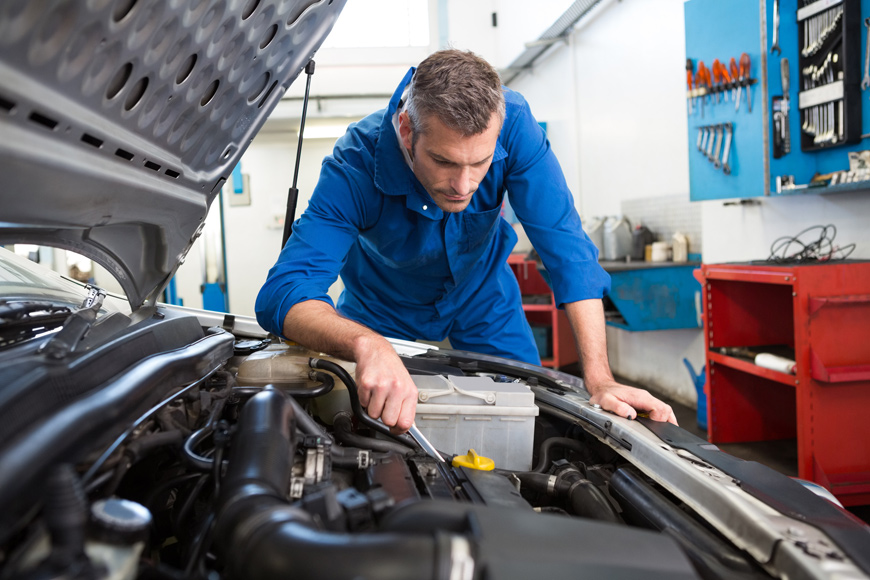
G’day. I’m a mobile mechanic here in Perth, and if there’s one thing I’ve learned from twenty years of working under bonnets from Joondalup to Mandurah, it’s that Perth is a beautiful but brutal place for a vehicle. We have some of the harshest driving conditions in Australia; searing summer heat, sandy coastal winds, and that fine, red dust that seems to find its way into every air filter.
When clients call me out, the most common question I get is: “How often do I actually need a logbook service?“ Many people think they can wait until a light comes on the dash, but by then, the damage is often done. In Western Australia, your vehicle’s logbook isn’t just a suggestion; it’s a survival guide for your car.
Before we talk about timing, let’s clear up what happens when I show up to do a logbook service. Unlike a “basic oil change,” a logbook service is a comprehensive set of tasks dictated by the manufacturer to keep your warranty intact and your car running as the engineers intended.
A standard logbook service typically includes:
Popular WA Models: Toyota Corolla, Hyundai i30, Mazda3, Tesla Model Y.
For the average sedan or hatch doing the daily run on the Mitchell or Kwinana Freeway, the standard rule is every 10,000 to 15,000 kilometres or every 12 months, whichever comes first.
However, Perth is a “stop-start” city. If you spend your mornings crawling through Northbridge or stuck in peak-hour traffic, your engine is idling at high temperatures without the airflow of highway driving. This is considered “severe driving conditions.”
Popular WA Models: Toyota HiLux (WA’s #1 seller for 18+ years), Ford Ranger, Isuzu D-Max.
Utes are the kings of the road in WA. Whether you’re a tradie hauling tools or a weekend warrior heading to Lancelin, these vehicles work harder than anything else. Because they often carry heavy loads or tow trailers, the strain on the transmission and suspension is significantly higher.
Popular WA Models: Toyota RAV4, Ford Everest, Toyota Prado, Mitsubishi Outlander.
SUVs are often the primary family vehicle, meaning they do a mix of everything: school runs (short trips where the engine never fully warms up) and long-distance hauls down to Margaret River.
In Perth, the “Christmas Road Trip” is a rite of passage. Whether you’re heading to Exmouth or Albany, you’re looking at long stretches of highway in extreme heat. This is the ultimate stress test for a vehicle.
Why a pre-holiday service is non-negotiable:
| Vehicle Type | Most Popular Models (WA) | Recommended Interval | Key Focus Area |
| Cars | Corolla, i30, Mazda3 | 10,000km / 6 Months | Battery health & Cooling |
| 4×4 Utes | HiLux, Ranger, D-Max | 10,000km / 6 Months | Air filters & Diff oils |
| SUVs | RAV4, Prado, Everest | 10,000km / 12 Months | Braking & Sludge prevention |
Q1: Will using a mobile mechanic void my new car warranty?
Absolutely not. As long as the mechanic is qualified, follows the manufacturer’s schedule, and uses “fit for purpose” parts, your warranty remains 100% valid under Australian Consumer Law.
Q2: My car is rarely driven. Do I still need to service it?
Yes. Fluids like brake fluid and coolant are “hygroscopic” (they absorb moisture from the air). Even if the car sits in a garage in Perth, the oil degrades over time. Stick to the “12-month” rule even if you’ve only done 2,000km.
Q3: Why is the 10,000km service so much cheaper than the 40,000km one?
Most logbooks follow a “Minor/Major” cycle. A 10,000km service is usually a “Minor” (oil and safety). The 40,000km or 80,000km services are “Majors” and often involve replacing spark plugs, cabin filters, brake fluid, and specialised gear oils.
Q4: Is the “dusty conditions” schedule really necessary for Perth?
Yes. Perth sits on a giant sand dune. That fine dust gets into your engine’s intake and your air-con vents. If you live in the outer suburbs (Ellenbrook, Baldivis) or near the coast, your filters will clog much faster than the “standard” manual suggests.
Q5: What should I do if my logbook is lost?
Don’t panic. As a professional mobile mechanic, I can start a new one for you or provide a digital service record. Keeping a history is the single best thing you can do for your car’s resale value when it’s time to upgrade.


